
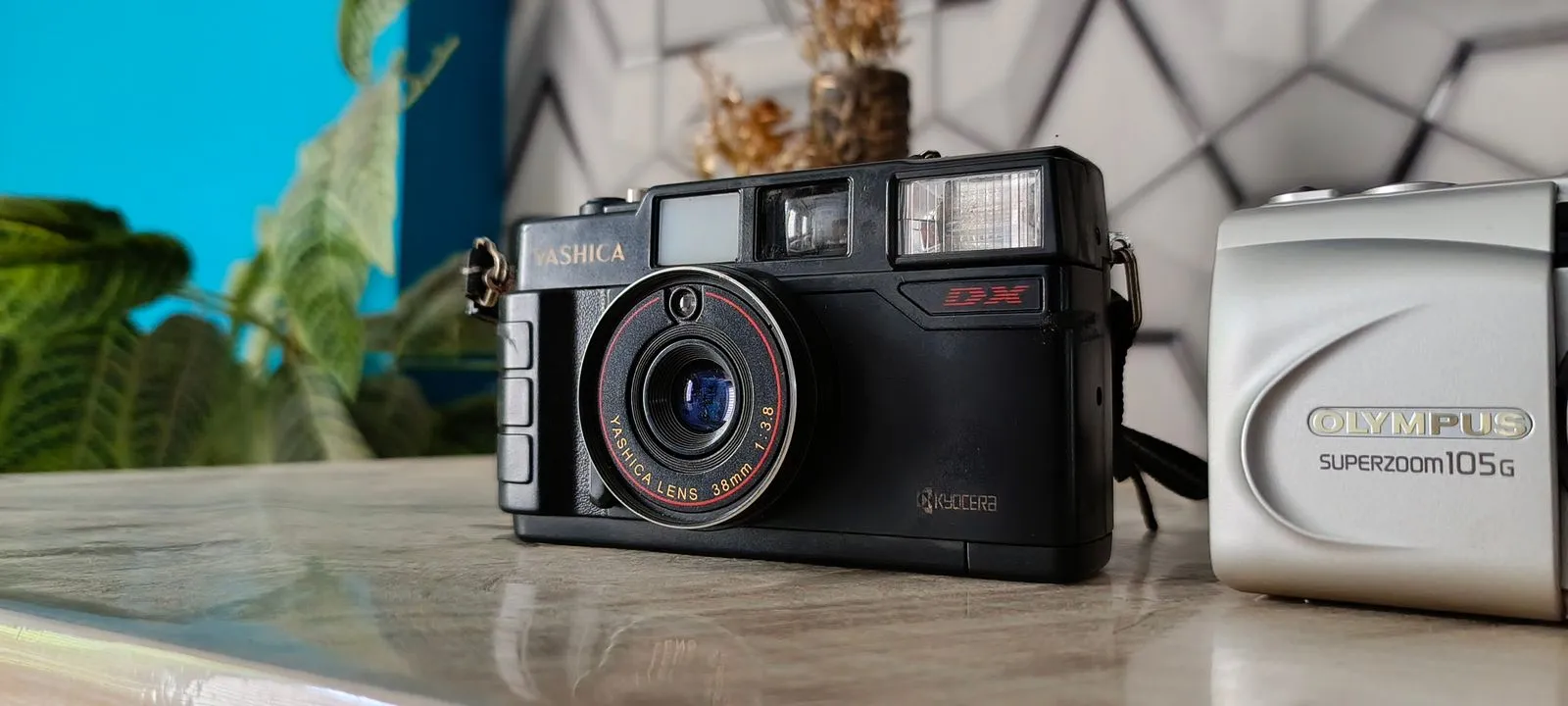
A compact camera should make it easy to capture the moments you care about, whether that means family gatherings, trips, or everyday scenes around town. The best choice depends less on a long feature list and more on how you plan to carry and use it. Compare the camera’s size, zoom range, controls, and key features before buying. These practical checks can help you narrow the options and avoid paying for capabilities you may not need.
Choose a Size You’ll Carry
Think about where the camera will live when you are not using it. A slim model may fit in a coat pocket or small bag, making it convenient for spontaneous photos. A larger compact camera can offer a more comfortable grip and room for physical controls, but it may be less convenient to take everywhere. If possible, hold the camera and check whether you can reach the shutter and zoom controls comfortably.
Consider the weight of any case, spare battery, or other accessories you expect to bring. A camera that feels manageable in a shop can feel less appealing after a full day out. Match the size to your routine: pocketability matters for daily carry, while a larger body may suit planned outings where handling and lens reach matter more.
Match Zoom to Your Subjects
A camera’s zoom range affects how close your subjects appear without you moving. A modest zoom can work well for street scenes, meals, and group photos. More reach can help when photographing wildlife, performances, or details across a large space. Think about the subjects you actually photograph, and remember that strong zoom cannot replace getting closer when it is safe and practical.
Check how the lens performs at both ends of its zoom range, not just its maximum reach. A wide view is useful in tight rooms and landscapes, while a longer view can frame distant subjects. If you often take photos indoors or at dusk, look for examples from the camera in similar conditions; zooming in can make it harder to keep images steady, especially in low light.
Test the Controls
Simple controls help you take a picture quickly. Check whether the camera has a clear mode selector, an easy-to-use zoom lever, and a menu you can navigate without guesswork. A touchscreen can make settings easier to find, but physical buttons may be more convenient when you want to change a setting without looking away from the scene.
Try common tasks before choosing: turn on the camera, focus, adjust zoom, review a photo, and change a basic setting. Notice whether the buttons feel easy to press and whether the screen is readable at the angles you expect to use. Comfortable controls matter more than having many options you are unlikely to touch.
Prioritize Useful Features
Start with features tied to your needs. Image stabilization can help reduce blur from small hand movements, particularly when you zoom in. Wi-Fi or Bluetooth can make it easier to transfer photos to a phone, while a viewfinder can help when bright sunlight makes the rear screen difficult to see. Check how each feature works in practice rather than relying on its name alone.
Also consider battery life, charging options, storage-card compatibility, and video features if you plan to record clips. Weather resistance may matter for outdoor use, but confirm the camera’s limits and follow its care instructions. Make a short list of must-haves and nice-to-haves, then compare cameras against it. Leicester Camera Co can help you handle models and weigh these trade-offs.
The right compact camera is one you can carry comfortably, operate without frustration, and use for the subjects you enjoy photographing. Compare zoom, controls, and practical features against your everyday habits rather than chasing the longest specification list. If you want help narrowing down your options, visit Leicester Camera Co to discuss how you plan to use your camera.