
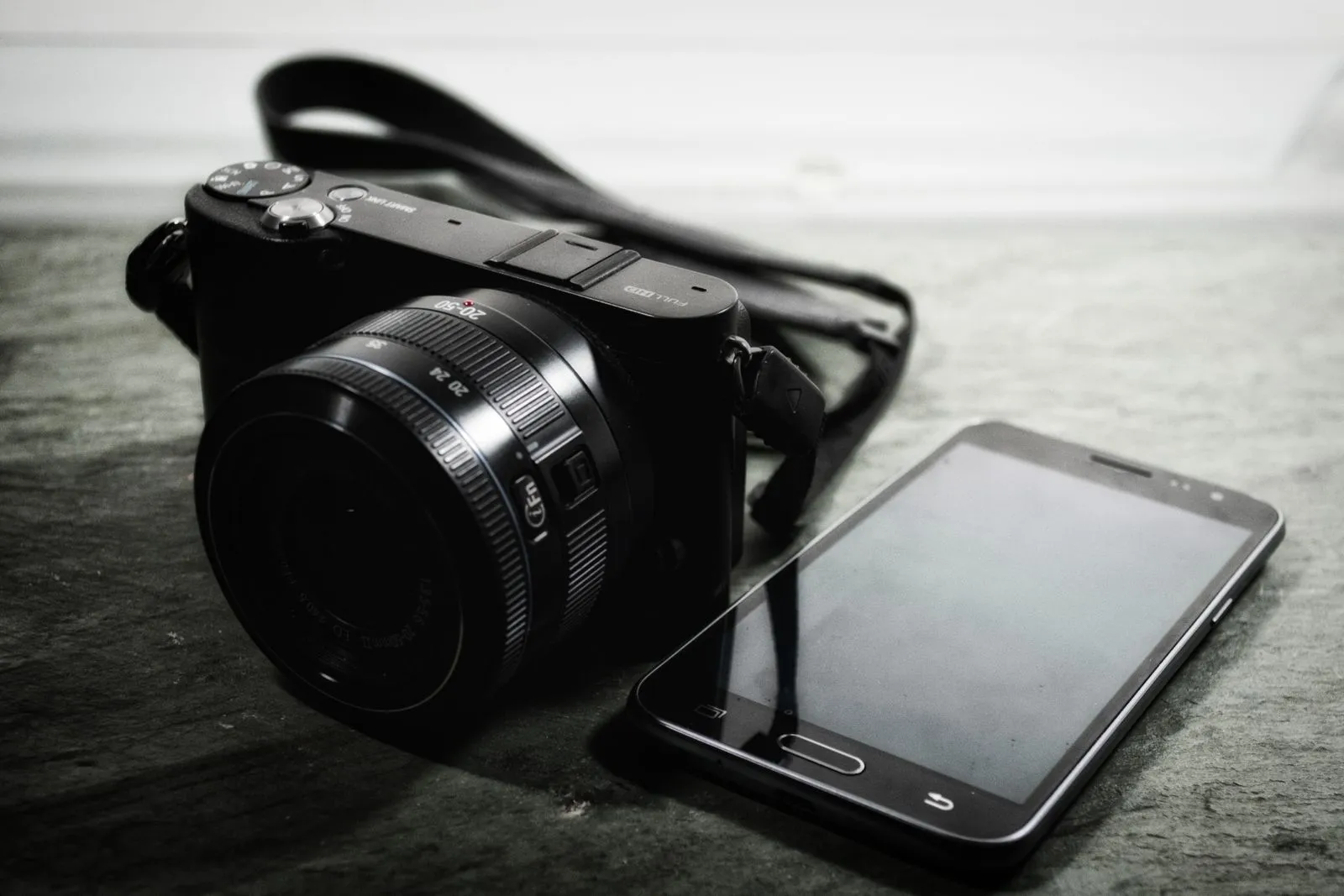
Smartphones make it easy to take and share everyday photos. A compact camera can still be useful when you want more reach, a steadier grip, or direct access to photo settings. Neither option is best for every situation: the right choice depends on what you photograph and how much control you want. Compare these practical differences before deciding whether a compact camera deserves a place in your bag.
Zoom for Distant Subjects
A compact camera with an optical zoom lens can bring a distant subject closer while retaining more detail than simply cropping a photo. This can help when photographing wildlife, performers on a stage, or a landmark you cannot approach. Check the lens’s optical zoom range before buying, and try it at the distances you expect to use.
Many smartphones offer multiple camera lenses, but switching lenses and using digital zoom can affect framing and detail. For a phone you already own, test its available zoom in the places where you take photos. If you regularly wish you could get closer without moving, compare that experience with a compact camera’s optical zoom.
A More Secure Grip
A compact camera is shaped for taking photos, with a body you can hold in both hands and physical controls under your fingers. That grip can make it easier to keep the camera steady, especially when you are zoomed in or taking several shots in a row. A wrist strap can add security when you are moving around.
Phones are convenient because they are already with you, but their flat shape can feel less secure when framing a shot. Try holding each device the way you would while photographing. Consider button placement, weight, and whether you can change settings without shifting your grip. Comfort matters most when you take photos often or for extended periods.
Controls You Can Reach
A compact camera may provide dedicated buttons, dials, or a lens ring for settings such as zoom, exposure, and focus. These controls can make it quicker to adjust a shot without searching through menus. Some models also offer automatic modes, so you can let the camera choose settings when you want to work quickly.
Smartphones can provide manual controls through built-in camera features or apps, though access varies by phone. Think about whether you want to change settings yourself or prefer automatic results. If you are learning photography, try adjusting exposure or focus on both devices before choosing. A control is useful only if it is easy for you to use.
Choose for Your Routine
A smartphone may be the better everyday choice when you value convenience, quick sharing, and one device for many tasks. A compact camera is worth considering if you often need optical reach, prefer a dedicated grip, or want physical controls. Think about your usual subjects, how far away they are, and whether carrying another device feels practical.
Before buying, handle a compact camera in person and test its zoom, buttons, and menu. Compare the result with your phone using a similar subject and lighting, then check whether the camera fits comfortably in your bag. Leicester Camera Co can help you compare compact camera options and features in Leicester.
A phone is a capable, convenient camera for many everyday moments. A compact camera can make distant subjects easier to frame and give you a steadier grip and more direct controls. Match the device to the photos you actually take, and try the handling and zoom before deciding. Visit a local camera store to compare options in person.